
The historical evolution of gambling From ancient rituals to modern bets
The historical evolution of gambling From ancient rituals to modern bets
Origins of Gambling in Ancient Cultures
The history of gambling can be traced back to ancient civilizations, where it served both social and spiritual functions. Archaeological findings suggest that dice, made from animal bones, were used in games of chance as early as 3000 BC in Mesopotamia. These rudimentary games reflected the human fascination with fate and luck, establishing a foundation for gambling that intertwined with rituals. Drakaris Canada often highlights how ancient cultures employed gambling as a means to make decisions, whether in warfare or daily life, indicating its importance in social dynamics.

In addition to dice, various forms of betting were evident in ancient Egyptian society. The Egyptians engaged in games that involved betting on outcomes of events, showcasing their desire for entertainment and risk-taking. Similarly, the ancient Greeks and Romans utilized betting as a popular pastime, often linked to athletic events and gladiatorial contests. This integration of gambling into societal activities marked the beginning of a complex relationship between games of chance and human behavior.
These early forms of gambling were not merely for financial gain; they held cultural significance. In many societies, gambling was a communal activity that fostered connections among participants. As rituals intertwined with these games, they evolved from simple pastimes into meaningful events that engaged the community, laying the groundwork for the expansive world of gambling that would emerge in later centuries.
The Rise of Formal Gambling Practices
As societies advanced, so did the practices surrounding gambling. By the Middle Ages, gambling had evolved into more organized activities, particularly in Europe. The establishment of formal games such as cards introduced a new layer of strategy and skill to the gambling experience. The invention of playing cards in the 14th century, attributed to Chinese origins, quickly spread throughout Europe, making card games a staple of social gatherings and betting venues.
Furthermore, the first gambling houses began to appear during this period, catering to the growing demand for structured betting environments. The rise of casinos in the 17th century, particularly in Italy, marked a significant shift in how gambling was perceived and conducted. These establishments became places not just for chance but for social interaction, as they provided entertainment in elegant settings, attracting various social classes.
With the establishment of formal gambling practices, regulations began to emerge. Governments started to take notice of the economic potential of gambling and the need for oversight. This led to licensing systems designed to control and manage gambling operations. As gambling became more institutionalized, it transitioned from a taboo activity to an accepted form of entertainment, paving the way for its explosive growth in the following centuries.
The Impact of Technology on Gambling
The Industrial Revolution in the 18th and 19th centuries was a turning point for gambling, as technological advancements changed the landscape significantly. The introduction of mechanical slot machines in the late 1800s revolutionized the gambling experience, making it more accessible to the masses. With simple mechanics and the allure of quick winnings, these machines quickly became popular in bars and saloons, appealing to a broader audience.
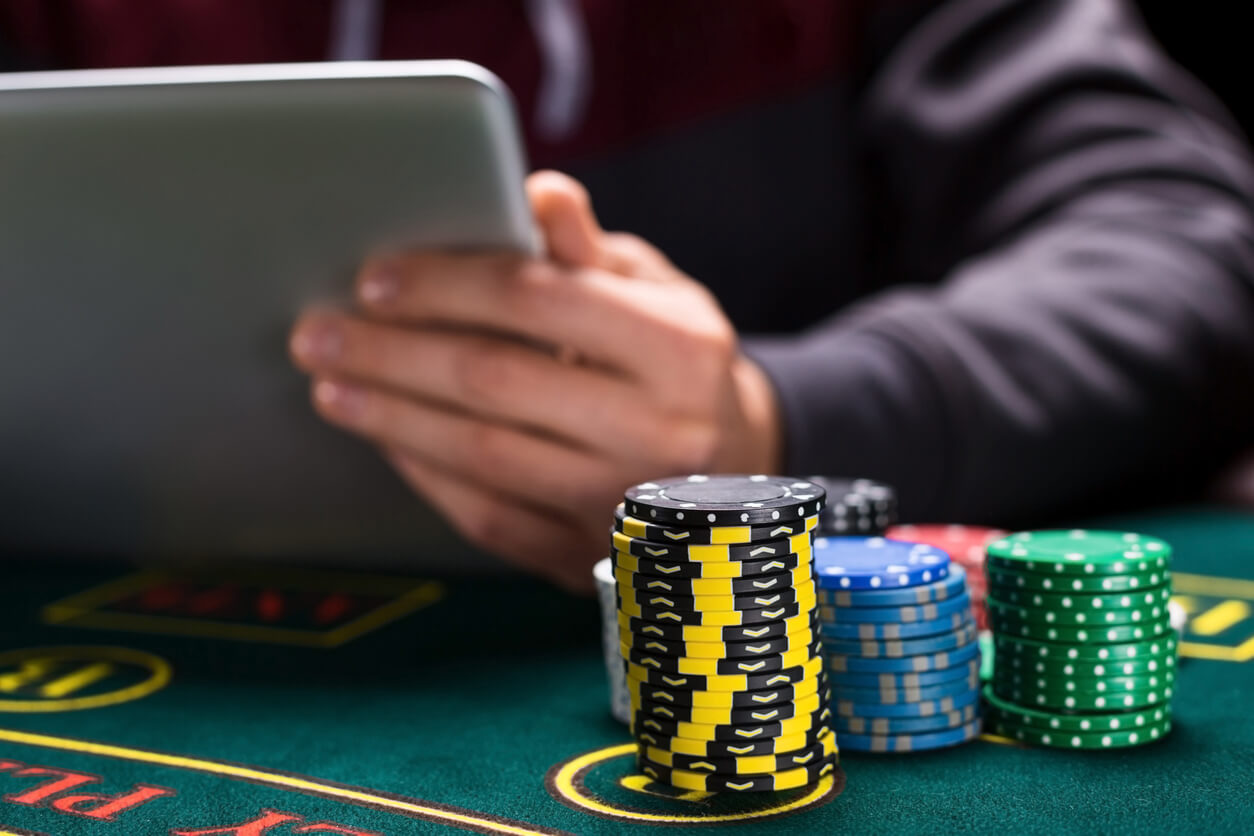
As technology continued to evolve, the advent of the internet in the late 20th century transformed gambling yet again. Online casinos emerged, offering players the convenience of accessing their favorite games from the comfort of their homes. This digital shift not only expanded the reach of gambling but also introduced innovative games that leveraged cutting-edge technology, such as live dealer games that mimic the casino experience virtually.
The integration of mobile technology further enhanced the accessibility of gambling. With smartphones in nearly every pocket, players can now enjoy a wide array of games anywhere and anytime. The development of apps dedicated to gambling has made it easier for individuals to engage with their favorite activities, leading to a surge in online gambling participation. This technological evolution has not only reshaped how gambling is conducted but has also raised new questions about regulation and responsible gaming.
Modern Gambling: Trends and Regulations
In recent years, the gambling landscape has continued to evolve, shaped by changing attitudes and technological advances. The rise of sports betting has become a significant trend, especially following the legalization of sports gambling in various regions. This shift has made betting on sports events mainstream, appealing to both casual fans and serious bettors who seek to engage more deeply with their favorite sports.
The growth of online gambling has also prompted discussions surrounding regulation and consumer protection. Governments worldwide are now grappling with how to best regulate this booming industry while ensuring player safety. The implementation of responsible gaming initiatives, such as self-exclusion options and age verification measures, has become crucial in promoting a safe gambling environment.
Additionally, the popularity of cryptocurrencies and blockchain technology is beginning to influence gambling. Many online casinos now accept cryptocurrencies, offering anonymity and security to players. This trend not only attracts tech-savvy individuals but also introduces new possibilities for gambling transactions. As the industry adapts to these changes, the future of gambling remains dynamic, presenting both opportunities and challenges.
Exploring Drakaris Casino: A Modern Gaming Experience
Drakaris Casino stands out in the contemporary gambling landscape, specifically designed for Canadian players seeking an exceptional gaming experience. With a vast selection of games including slots, live casino options, and traditional table games, players have ample opportunities to engage in thrilling activities. The user-friendly interface and immersive graphics create an enjoyable environment for both novice and experienced gamblers alike.
The platform’s generous three-deposit welcome package, offering up to €2,000 plus 350 free spins, provides new players with an attractive incentive to start their gaming journey. This commitment to rewarding players showcases Drakaris Casino’s dedication to providing a rich and engaging experience right from the outset. Additionally, the casino features fast payouts and 24/7 customer support to ensure that players receive assistance whenever needed.
Furthermore, Drakaris Casino prioritizes player loyalty through its unique VIP program. Loyal players are rewarded with daily cashback and exclusive bonuses, reinforcing the casino’s commitment to fostering a positive gaming environment. With a focus on security and responsible gaming, Drakaris Casino offers a premier online platform where players can explore the evolution of gambling in a safe and engaging atmosphere.