
The evolution of gambling tracing the historical path of jeux de hasard
The evolution of gambling tracing the historical path of jeux de hasard
Origins of Gambling
The roots of gambling can be traced back to ancient civilizations, where the concept of chance and risk first emerged. Archaeological evidence suggests that gambling practices date back to around 3000 BC in ancient China, where tiles were found that indicated a rudimentary form of a lottery game. Similar activities were recorded in ancient Egypt and Mesopotamia, where dice were crafted from materials like bones and stones, indicating the widespread human fascination with games of chance. In discussing the evolution of such practices, many enthusiasts turn to platforms like Betmac for a modern take on this timeless activity.
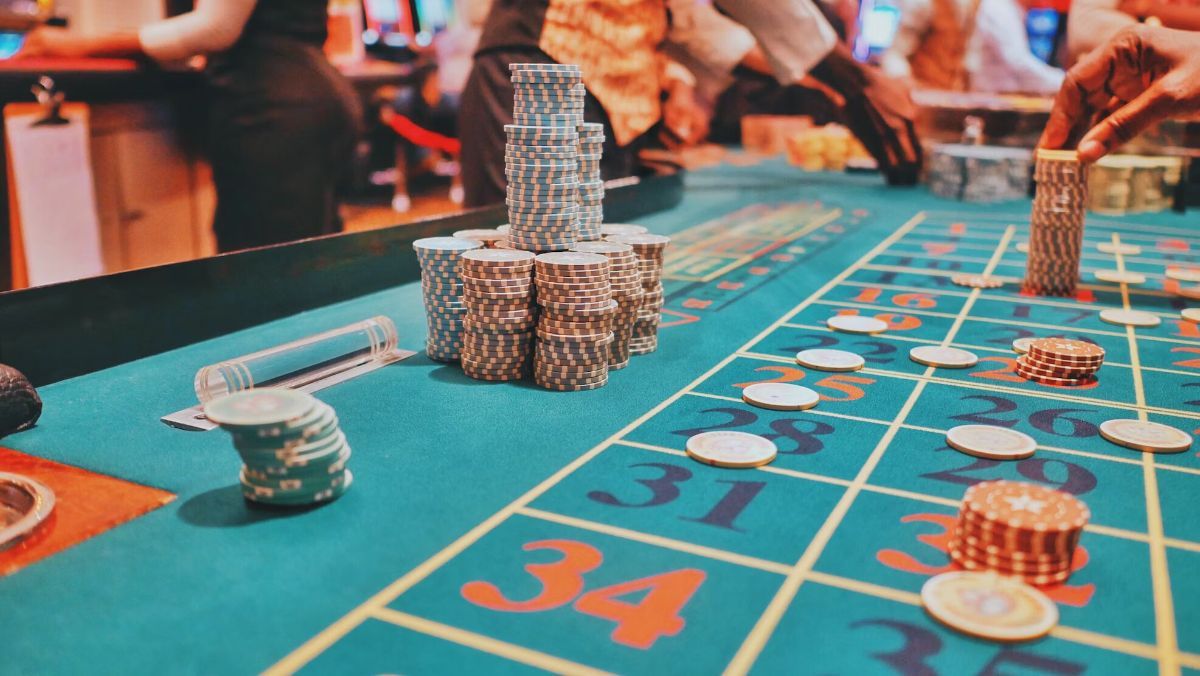
The allure of gambling lies in its combination of thrill and unpredictability, appealing to the innate desire for adventure and the potential for reward. In ancient Rome, games of chance flourished in taverns and public spaces, revealing how gambling became an integral part of social gatherings. As societies evolved, so too did the mechanisms of gambling, leading to more structured games that captured the interest of both the elite and common folk alike.
These early forms of gambling laid the groundwork for future developments, blending skill and luck. As the world transitioned through various cultures and epochs, the fundamental principles of betting and risk-taking evolved into more complex systems, fostering the growth of what we recognize today as modern gambling.
The Middle Ages and the Rise of Gambling Houses
The Middle Ages witnessed a significant transformation in the landscape of gambling. With the rise of towns and trade, gambling houses began to emerge, offering a structured environment for various games. The game of cards became particularly popular, leading to the establishment of gaming houses where nobles and commoners alike could enjoy games of chance. These venues introduced rules and regulations that aimed to ensure fairness, albeit often to favor the house.
During this period, the fascination with games of chance became intertwined with cultural practices and social norms. Gambling laws began to emerge in various societies, reflecting the dual nature of gambling as both a source of entertainment and a potential vice. Authorities grappled with how to manage gambling’s societal impact, resulting in varying degrees of acceptance and prohibition across different regions.
The Middle Ages also saw the introduction of more sophisticated betting systems, including the early versions of the lottery and other games that combined elements of luck and skill. These innovations set the stage for the modern gambling landscape, where the balance between chance and strategy continues to be a topic of discussion among players and regulators.
The Renaissance and the Birth of Modern Gambling
The Renaissance marked a pivotal point in the history of gambling, as cultural and technological advancements led to the birth of modern games. The introduction of the printing press enabled the distribution of gambling literature, including rules and strategies for various games. This democratization of knowledge helped establish gambling as an accessible pastime for a wider audience, beyond the aristocracy.
This era also saw the emergence of iconic games that remain popular today, such as poker and roulette. Innovations in card design and gameplay not only made gambling more engaging but also attracted new players who brought their own strategies and styles to the table. The concept of casinos began to take shape, with Venice establishing some of the earliest formal gambling establishments where patrons could experience various games in a lavish setting.
With the rise of these gaming establishments, the debate surrounding gambling intensified. Critics highlighted its potential for addiction and moral decay, while proponents celebrated the social and economic benefits it brought. The Renaissance ultimately laid the foundations for the modern gambling industry, balancing the elements of chance and skill that continue to draw people to casinos and gaming houses around the world.
20th Century Developments and Online Gambling
The 20th century witnessed a seismic shift in gambling, driven by the proliferation of technology and changing societal attitudes. The establishment of Las Vegas as a gambling hub in the mid-20th century revolutionized the industry, combining entertainment, luxury, and gaming into a singular experience. This era also saw the introduction of sports betting, which broadened the appeal of gambling to a larger audience.
The latter part of the century brought about a technological revolution, with the advent of video games and electronic gambling machines. These innovations not only transformed traditional games but also raised questions about the role of skill versus luck. Players could now engage in games that offered a blend of strategic play and chance, leading to new discussions about the psychological aspects of gambling.
The rise of the internet in the late 1990s brought about a new chapter in gambling history, giving birth to online casinos. This shift created unprecedented access to gambling opportunities, allowing players to engage from the comfort of their homes. As online platforms evolved, they began to offer a wide range of games, further blurring the lines between chance and skill, and setting the stage for the modern gambling landscape.
The Future of Gambling and the Role of Online Platforms
As we venture into the future of gambling, the role of online platforms cannot be overstated. The digital age has opened up a world of possibilities for both casual and serious gamblers. With the rise of mobile gaming apps and sophisticated online casinos, players now have access to a plethora of games, ranging from traditional table games to innovative new titles that incorporate advanced technology and immersive experiences.
Furthermore, online gambling platforms have begun to address the balance between skill and luck in new and exciting ways. Live dealer games, for example, bring the casino experience into players’ homes while emphasizing the social aspect of gaming. This evolution not only enriches the gambling experience but also presents players with new strategies and skills to master, enhancing their engagement.
As concerns about responsible gambling and player protection rise, reputable online casinos are adopting measures to ensure a safe gaming environment. From transparent bonus structures to rigorous regulations, these platforms are committed to fostering a fair gaming experience. The continued evolution of gambling reflects both societal changes and technological advancements, promising an exciting future for this age-old pastime.
Discover BetMac Casino
BetMac Casino stands at the forefront of the online gambling landscape in the UK, offering players an engaging and secure platform. With a diverse selection of over 2,000 games from reputable developers, players can explore a variety of slots, table games, and immersive live dealer experiences. The casino’s commitment to player protection is evident through its adherence to strict regulations, ensuring fair gameplay and a transparent gaming environment.
Players at BetMac Casino can take advantage of generous bonuses, robust customer support, and features that promote responsible gaming. This dedication to player satisfaction has made BetMac a trusted choice among both novice and experienced gamers. The casino’s engaging interface and wide array of gaming options invite players to embark on an exhilarating gaming adventure.
In a world where the evolution of gambling continues to unfold, BetMac Casino positions itself as a leader, blending traditional gaming with cutting-edge technology. Join BetMac now to explore the thrilling realm of online gaming and experience the excitement that comes with games of chance and skill.