
Exploring the psychology behind high-stakes casino gambling
The Thrill of Uncertainty
The allure of high-stakes casino gambling often stems from the thrill of uncertainty. Players are drawn to the unpredictability of outcomes, which taps into the human psyche’s desire for excitement. The potential for significant financial gain can create an adrenaline rush that keeps players returning for more. This anticipation can overshadow the risks involved, as the brain releases dopamine, a neurotransmitter associated with pleasure, during moments of potential reward. Many people find that engaging in games like btc casino heightens their experience, emphasizing the excitement associated with uncertainty.
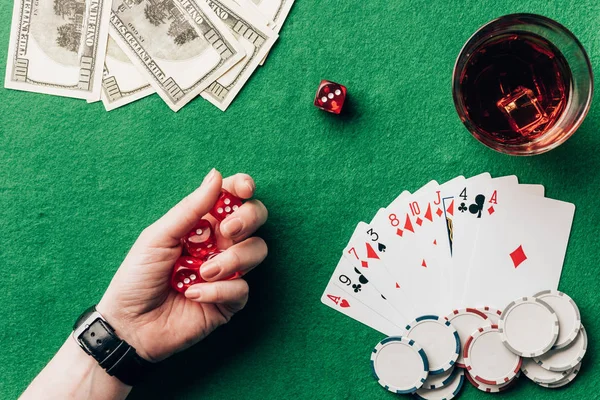
Additionally, the uncertainty factor can lead to a phenomenon known as “loss chasing.” After experiencing a loss, gamblers may feel compelled to continue playing in hopes of recouping their losses. This behavior often reinforces a cycle of gambling behavior that can be difficult to break, as the temporary relief gained from winning can further entrench the habit.
The Role of Cognitive Biases
Cognitive biases play a significant role in how high-stakes gamblers perceive their chances of winning. Many gamblers fall prey to the “gambler’s fallacy,” believing that past random events can influence future outcomes. For instance, if a player has experienced several losses in a row, they might feel that a win is “due” and continue betting larger amounts. This distortion of statistical reality can lead to increasingly risky behavior.
Moreover, the “availability heuristic” often leads gamblers to overestimate their odds based on memorable wins rather than actual probabilities. Spectacular wins broadcasted through social media and personal anecdotes serve to reinforce the belief that high-stakes gambling can lead to quick riches, further fueling participation amid adverse realities.
The Social Dynamics of Gambling
High-stakes gambling is frequently a social activity that adds another layer of complexity to its psychological underpinnings. The communal environment of casinos fosters a sense of belonging that can enhance the gambling experience. Players often share their experiences and celebrate wins together, creating a dynamic atmosphere that can alter individual decision-making.
The social validation received from peers can encourage riskier financial commitments. Engaging in gambling within a group can lead to competition, where the fear of missing out drives individuals to play beyond their means. This social element can amplify the psychological stress associated with losses and magnify the need for acceptance within the gambling community.
Addiction and the High-Stakes Gamble
The psychology behind high-stakes gambling is closely linked to addiction dynamics. The combination of thrill-seeking, cognitive distortions, and social factors can lead to compulsive gambling behaviors. For some individuals, the excitement of high-stakes play can escalate into a full-blown addiction, characterized by a loss of control and an inability to stop despite negative consequences.
Understanding these psychological factors is essential for recognizing when gambling becomes unhealthy. Integrating therapeutic interventions with an awareness of cognitive biases and the social environment can provide pathways for individuals struggling with gambling addiction to seek help and develop healthier coping mechanisms.

Cryptovibes: Your Source for Insight
At Cryptovibes, we understand that the world of gambling, especially high-stakes casino gambling, intersects with broader societal trends, including the evolving landscape of cryptocurrency. As players increasingly seek innovative ways to engage in gaming and gambling, our platform provides comprehensive news and analysis that equips individuals with the knowledge they need to navigate both gambling and investment landscapes responsibly.
By staying informed through our expert commentary on market trends, users can make better decisions about their engagement in high-stakes gambling and investment opportunities. Join our community and explore the connection between psychological factors in gambling and the innovative financial developments that shape today’s digital economy.